What Is Biological Resilience? The Clinical Framework Replacing Anti-Aging at Leading Longevity Clinics
The Science Behind the Term
The 2026 World Congress on Targeting Longevity — the leading international scientific gathering in aging research — made a significant declaration this year. The congress formally shifted the field's emphasis away from isolated interventions and toward what researchers called long-term biological resilience: the capacity of living systems to maintain functional coordination across time.
That definition is worth sitting with. The congress was not talking about any single therapy or compound. It was talking about a systems-level property — the ability of the body's interconnected biological networks to maintain coherence under stress, recover from disruption, and sustain function as time passes.
This is not a fringe concept. Research from King's College London found that the key differentiator between centenarians and those who age less well is not the absence of biological damage — it is the presence of sustained biological resilience. Centenarians maintain youth-like stability in proteins governing inflammation, metabolic balance, and cellular stress management. Their biology does not avoid stress. It absorbs and recovers from it with unusual efficiency.
This is the biology that Regenerative Health Clinics are positioned to support.
What Biological Resilience Means in a Clinical Context
For a Regenerative Health Clinic owner, biological resilience is not just a scientific term. It is a clinical organizing framework — a way of connecting your service menu into a coherent system of care rather than a list of independent treatments.
Here are the four primary systems that biological resilience encompasses in a clinical setting:
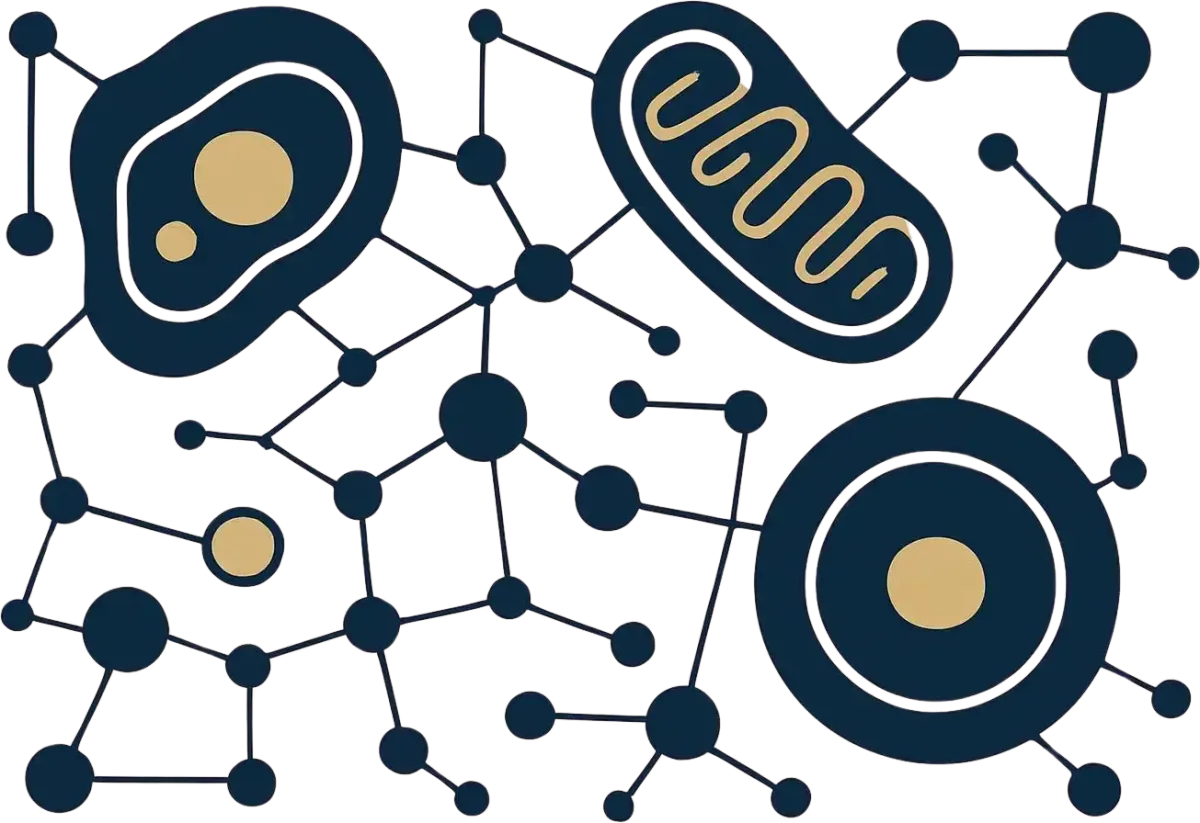
Mitochondrial Resilience
Mitochondria are the energy-producing organelles at the center of cellular function. Their decline is one of the earliest and most consistent markers of biological aging. NAD+ IV therapy — the highest-demand service in the 2026 Regenerative Health Clinic market — works directly on mitochondrial function, replenishing NAD+ levels that decline with age to support energy production, DNA repair, and cellular stress response. A clinic that positions NAD+ therapy as mitochondrial resilience support is not just selling an IV infusion. It is selling a measurable improvement in the body's foundational energy system.
Metabolic Resilience
Metabolic resilience is the body's ability to regulate blood glucose, insulin sensitivity, lipid metabolism, and inflammatory tone under varying conditions. GLP-1 metabolic programs, hormone optimization protocols, and peptide therapies targeting metabolic pathways all contribute to metabolic resilience. With 30 million Americans now on GLP-1 medications in 2026, the metabolic resilience conversation is the most timely clinical framing a Regenerative Health Clinic can offer — positioning these programs not as weight loss interventions but as metabolic system optimization.
Hormonal Resilience
Hormonal resilience refers to the body's capacity to maintain the hormonal environment required for recovery, cognitive function, physical performance, and emotional stability across decades. Testosterone optimization, estrogen therapy, thyroid management, and cortisol regulation are all elements of hormonal resilience work. When a clinic frames hormone optimization as resilience building rather than deficiency correction, it shifts the patient's experience from reactive treatment to proactive investment — which changes their relationship to the program and their long-term retention.
Immune and Inflammatory Resilience
Chronic low-grade inflammation — sometimes called inflammaging — is one of the most well-documented drivers of accelerated biological aging. Exosome therapy, peptide protocols targeting inflammatory regulation, and IV nutrient therapies all have documented roles in immune and inflammatory resilience. A clinic that can explain how its services work together to reduce inflammaging and support immune system coherence is offering a clinically credible, scientifically grounded patient conversation that most competitors are not having.
Why Clinic Owners Should Care About This Framework
The practical value of biological resilience as a clinical framework has three direct business consequences for Regenerative Health Clinic operators:
•It connects your service menu. Instead of explaining each therapy in isolation, you can explain how they work together to support a unified biological resilience goal. This is more persuasive, more memorable, and more likely to lead to multi-service enrollment.
•It changes the consultation conversation. A patient who understands they want to optimize their biological resilience gets a protocol — not a service recommendation. That conversation produces significantly higher average transaction values and stronger retention.
•It differentiates you from commodity competitors. Med spas and discount IV bars are not having biological resilience conversations. A clinic that operates from this framework is in a different category — and can price accordingly.
If you are building your clinic and want this clinical framework embedded in your positioning from launch, visit altosconsultinggroup.com/new-clinic-launch to see how ACG structures the full engagement, or schedule a strategy call at altosconsultinggroup.com/survey.

Frequently Asked Questions
What is biological resilience in simple terms?
Biological resilience is the body's ability to maintain coordinated function across its major systems — metabolism, immune response, hormonal balance, and cellular energy — under stress and over time. It is the underlying property that distinguishes people who age well from those who don't. Regenerative Health Clinics support biological resilience through services that target these systems directly.
How is biological resilience different from anti-aging?
Anti-aging is a broad, often vague term that implies reversing or stopping the aging process. Biological resilience is a specific, measurable clinical concept: the capacity of biological systems to maintain function and recover from stress. The distinction matters for clinic positioning — biological resilience is precise, scientifically grounded, and oriented toward optimization rather than the impossible promise of reversal.
Which services support biological resilience?
In a Regenerative Health Clinic context, biological resilience is supported across four system categories: mitochondrial resilience (NAD+ IV therapy), metabolic resilience (GLP-1 programs, metabolic panels), hormonal resilience (testosterone optimization, estrogen therapy, thyroid management), and immune and inflammatory resilience (exosome therapy, anti-inflammatory peptides, IV nutrient therapy). The most effective programs address all four areas through integrated, personalized protocols.