How to Source GLP-1s for Your Clinic Legally in 2026
The Three Sourcing Paths, What Each Requires, and Which One Survives Scrutiny
Three Paths, Very Different Risk Profiles
Every weight loss clinic offering GLP-1 therapy sources it one of three ways. The paths are not equivalent, and the gap between them widened significantly after the shortage era ended.
For the broader business context, see The Metabolic Weight Loss Clinic Business Opportunity. This post covers sourcing specifically.
Path One: FDA-Approved Branded Product Through an Authorized Distributor
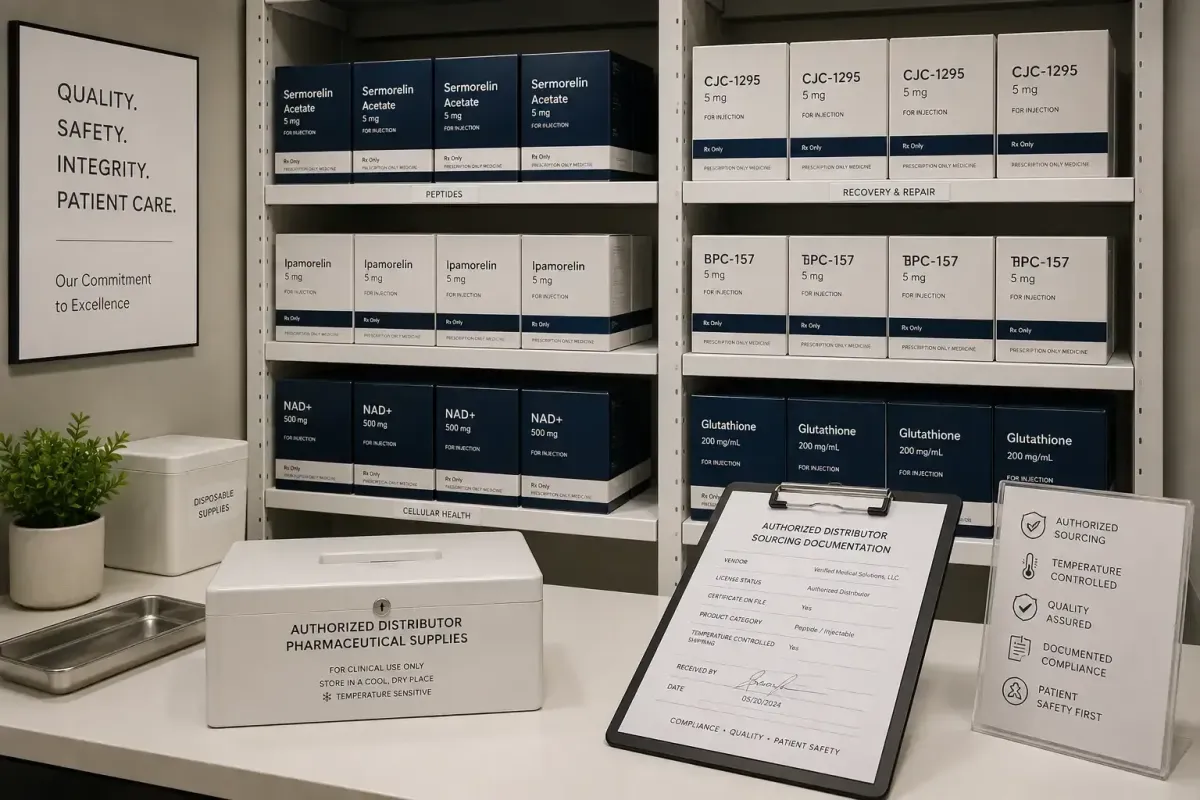
This is the sourcing method that carries no regulatory ambiguity. The clinic purchases FDA-approved product — Wegovy or Zepbound for the obesity indication — through an authorized distributor, with documented chain of custody from manufacturer to clinic.
The trade-off is cost. Branded GLP-1s have historically carried list prices exceeding $1,000 per month, against the $150 to $300 range that compounded product occupied during the shortage. That gap is the single reason so many clinics built their programs on compounding in the first place.
What has changed is that manufacturer direct-pay programs and evolving payer coverage have narrowed the effective patient cost meaningfully from peak list pricing. A clinic that assumed branded product was commercially impossible based on 2023 pricing should re-run that analysis, because the number it is working from is likely stale.
There is also a competitive argument. A clinic sourcing FDA-approved product can say so plainly to patients, and in a market where patients have read about counterfeit and substandard compounded product, that statement converts.
A Note on Generics
There is no FDA-approved generic semaglutide or tirzepatide. Any supplier offering discounted bulk product described as generic is not selling what the label claims, and that offer should be treated as a reason to end the conversation rather than negotiate the price.
Path Two: Patient-Specific 503A Compounding
Compounding under Section 503A of the Federal Food, Drug, and Cosmetic Act remains legal, but the conditions are narrow. The product must be compounded for an identified individual patient on receipt of a prescription, and it cannot be essentially a copy of a commercially available drug — which semaglutide and tirzepatide now are, since their shortages are resolved.
The exception requires a prescriber to determine and document, on the prescription, that a change produces a significant difference for that specific patient. Not a preference. Not a cost consideration. A documented clinical determination for an identified individual.
The FDA has also signaled a volume threshold, indicating it does not currently intend to act against a compounder filling four or fewer prescriptions of an essentially-a-copy product per calendar month. For a clinic, that ceiling is the operative constraint — this pathway can accommodate genuine clinical outliers, not a patient panel.
Clinics using this path should understand that the compliance burden sits primarily with the prescribing provider, not the pharmacy. A pharmacy marketing a combination formulation as a turnkey solution is not assuming that documentation risk on the clinic's behalf.
Path Three: An IRB-Governed Investigational Study
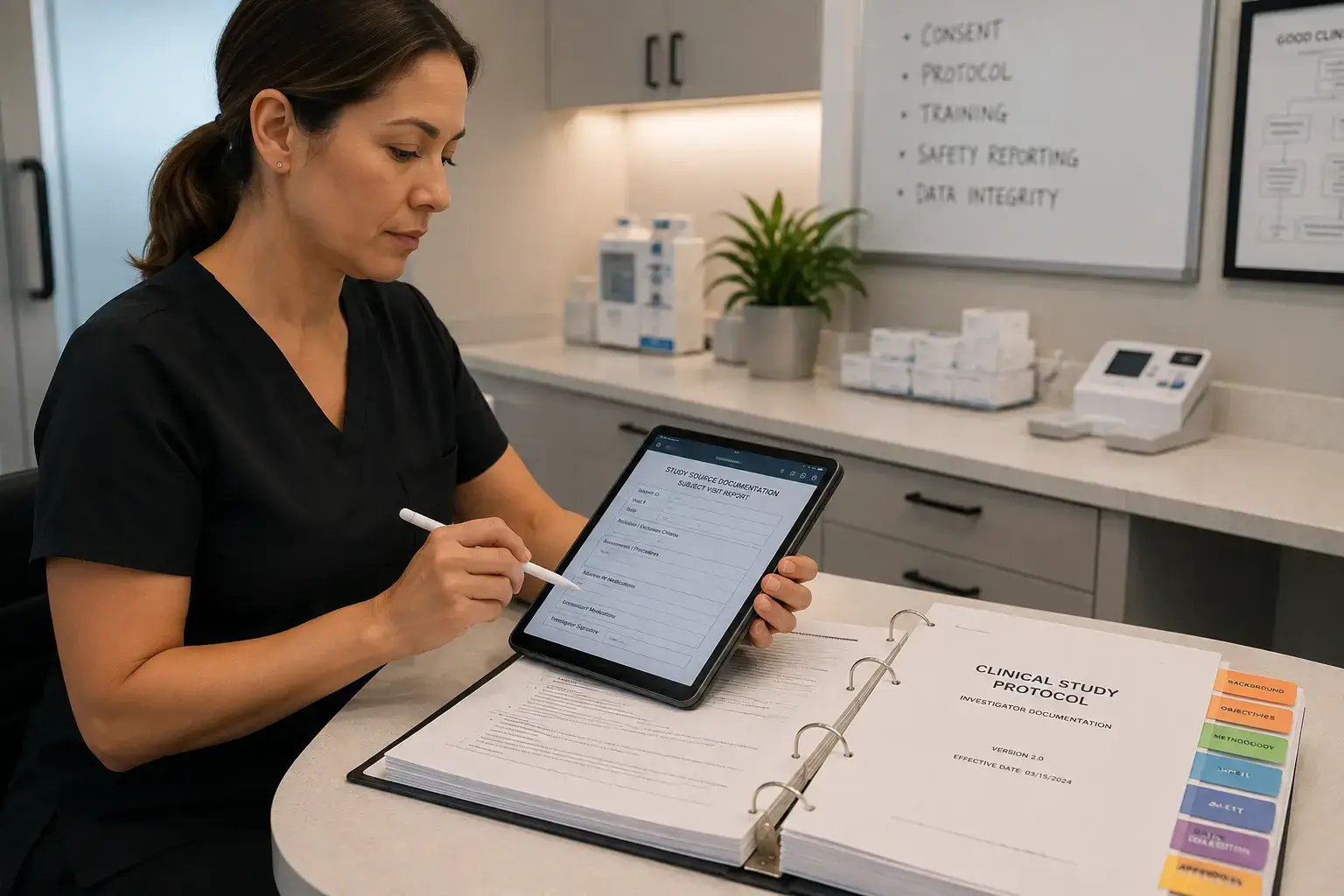
The third path changes the structure rather than working within the compounding exception. The clinic operates as a site in a formal investigational study under Institutional Review Board oversight, receiving product through a compounder under the study protocol and the clinic's medical director.
An IRB such as WCG reviews the protocol, approves it, and provides continuing oversight. Altos Consulting Group prepares and files these applications for clinic clients.
The honest accounting of what this costs and requires:
•IRB fees of roughly $5,000 to $8,000, varying by state and number of locations
•ACG filing fee of $10,000
•No guaranteed approval — ACG has not had an application denied to date, but that is a track record, not a promise, and applicants should plan for the possibility of denial or a request for significant revision
•Genuine ongoing research obligations after approval, including protocol adherence, documentation, adverse event reporting, and continuing review
This pathway suits clinics prepared to function as research sites. It does not suit clinics looking for a compliance label on an unchanged operating model.
The Path That Is Not a Path
Gray-market product labeled research use only, sourced from overseas suppliers or peptide vendors, is not a sourcing option for patient care. It sits outside every framework described above, it is an active enforcement target, and the product itself frequently does not contain what the label claims.
Clinics sometimes rationalize this sourcing on price. The exposure is not proportional to the savings — it implicates the clinic, the medical director's license, and patient safety simultaneously.
Building Sourcing Into Clinic Operations
Whichever path a clinic uses, the operational requirements are similar. Document the sourcing relationship and keep the documentation current. Verify the pharmacy's licensing and accreditation status rather than accepting marketing claims. Ensure the medical director has reviewed and approved the sourcing arrangement in writing. And revisit the arrangement periodically, because this regulatory area has changed repeatedly and will continue to.
The Pricing Conversation Clinics Need to Have With Patients
Sourcing decisions eventually become patient conversations, and clinics that avoid the conversation until a patient raises it tend to handle it badly.
A patient who has been paying $200 a month for compounded product and is told the clinic is moving to FDA-approved branded product will ask why. The answer that works is the accurate one: the shortage that made compounded product legally available has ended, the regulatory basis for that pricing no longer exists, and the clinic is not willing to source outside a defensible framework. Patients respond to that better than clinics expect, particularly in a market where coverage of counterfeit and substandard compounded product has been widespread.
What does not work is quietly switching sourcing without explanation, or implying that a gray-market product is equivalent to an approved one. Both damage trust in ways that are expensive to repair, and one of them creates liability.
Clinics should also prepare staff for the affordability question directly. Manufacturer direct-pay programs, savings arrangements, and evolving payer coverage have changed the effective cost picture meaningfully from peak list pricing. A front desk that can speak accurately to available options converts patients that an unprepared one loses.
Documentation That Protects the Clinic
Regardless of path, a clinic should be able to produce, on request, the following: the identity and current licensing status of every pharmacy or distributor in its supply chain, the medical director's written approval of the sourcing arrangement, prescription-level documentation for any compounded product including prescriber determinations where required, and — for clinics operating under a study protocol — IRB approval documentation and evidence of continuing review compliance.
Clinics that maintain this documentation as a matter of routine handle regulatory inquiries as an administrative exercise. Clinics that assemble it reactively after an inquiry arrives handle it as a crisis.
ACG's supplier network includes vetted pharmacy and distributor relationships across the compliant paths described here. To learn more, visit altosconsultinggroup.com/supplier-connections. To discuss your clinic's sourcing specifically, visit altosconsultinggroup.com/survey.
Frequently Asked Questions
Can my clinic buy branded Wegovy or Zepbound wholesale?
Clinics purchase FDA-approved product through authorized distributors with documented chain of custody. The specific arrangement depends on the clinic's licensure and state requirements. Any supplier offering these products outside authorized distribution channels, particularly at unusual pricing, warrants immediate scrutiny rather than a purchase order.
Is a 503B outsourcing facility still an option for GLP-1s?
Not meaningfully. Outsourcing facilities may only use bulk drug substances that appear on the 503B bulks list or that are compounded from a drug on the shortage list. Semaglutide and tirzepatide meet neither condition, and the FDA has proposed permanently excluding them from the bulks list.
Who carries the compliance risk in a compounded arrangement — the clinic or the pharmacy?
Both, but the prescriber determination requirement places significant burden on the clinic's prescribing provider specifically. The FDA guidance requires that determination to be documented on the prescription. A pharmacy cannot make that determination on the provider's behalf, and marketing materials suggesting otherwise do not transfer the responsibility.
How often should a clinic revisit its GLP-1 sourcing arrangement?
At minimum quarterly, and immediately upon any FDA announcement affecting compounding status. This regulatory area produced multiple material changes between late 2024 and 2026, including shortage resolutions, enforcement deadlines, litigation outcomes, and a proposed permanent bulks list exclusion. A sourcing decision made eighteen months ago is unlikely to still reflect current requirements.