The Neurological Wellness Clinic Business Opportunity: Why the Patients No One Is Adequately Serving Are Also the Most Loyal Patients in Cash-Pay Health
A 2026 Market Analysis and Business Guide for Entrepreneurs Evaluating the Neurological Wellness Clinic Space
The Patients No One Is Adequately Serving
Traumatic brain injury. Post-traumatic stress disorder. Autism spectrum disorder. Stroke recovery. Multiple sclerosis. Neuropathy. Chronic neuroinflammation. These are conditions that conventional medicine manages — with medications that blunt symptoms, with referrals to specialists with waiting lists, with the implicit message that meaningful recovery is not on the table.
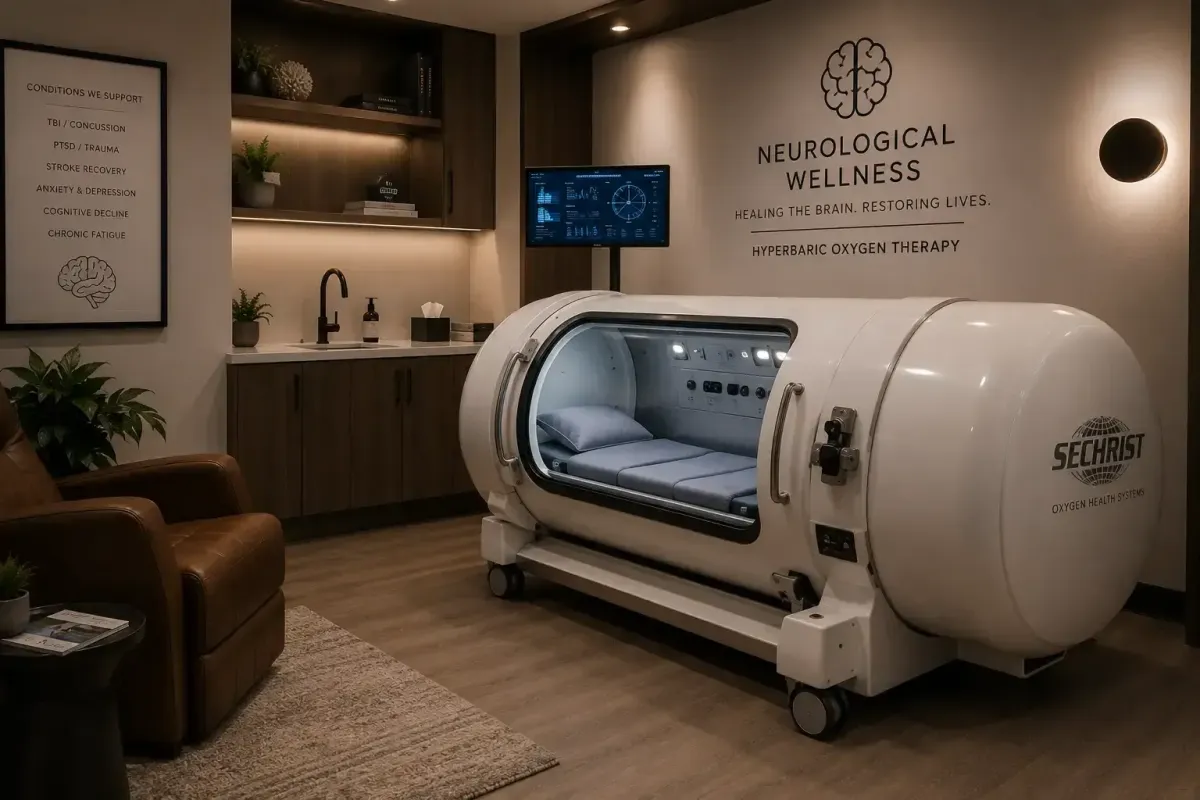
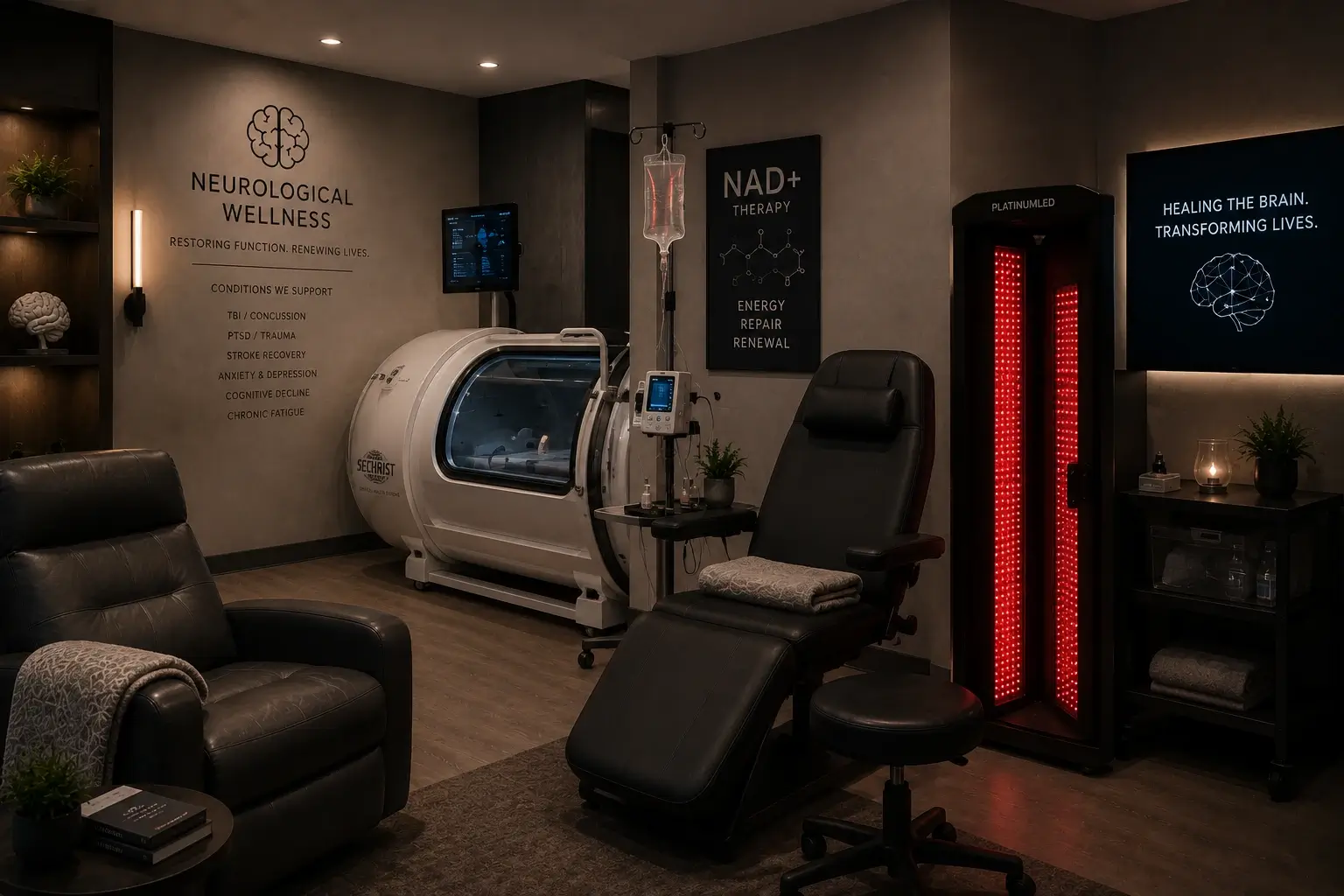
The neurological wellness clinic offers something different. Hyperbaric oxygen therapy. NAD+ IV infusion. Exosome therapy including nebulized delivery directly to the neurological system. Targeted peptide protocols for neuroprotection and cognitive support. Red light photobiomodulation for neuroinflammation. These are not alternative medicine in the fringe sense. They are evidence-informed interventions with documented mechanisms and a growing body of clinical research — offered in a setting that treats these patients as people seeking recovery, not management.
The neurological wellness patient is unlike any other patient demographic in cash-pay health. They are not motivated primarily by aesthetics or performance. Many of them — or the family members who bring them — have spent years searching for something that actually helps. When they find a clinic that does, the loyalty and the word-of-mouth that follows is unlike anything in any other health category. Neurological wellness clinic owners who serve this population well often describe it as the most professionally fulfilling work they have encountered. It also tends to produce the deepest, most durable patient relationships in their business.
Altos Consulting Group has helped launch neurological wellness clinics across the United States. To see the clinics ACG has supported in this category, visit altosconsultinggroup.com/clinics-supported/neurological-wellness.
The Market: Minimal Competition, Maximum Unmet Need
In most U.S. markets — outside of a handful of major metros — there is no dedicated neurological wellness clinic offering HBOT, NAD+ infusion, exosome therapy, and peptide protocols for neurological conditions under one roof. The practitioners who do offer these services are typically scattered across neurology offices, functional medicine practices, and concierge medicine providers who treat neurological wellness as one of many service lines rather than the focus of a dedicated clinical practice.
This means the entrepreneur who opens a dedicated, well-positioned neurological wellness clinic in a market with a meaningful TBI, PTSD, or stroke recovery patient population is not competing for share in a crowded field. They are establishing the standard of care in a category that has no incumbent. That positioning — once established through clinical credibility, community presence, and documented patient outcomes — compounds in value as awareness of the clinic spreads through the networks of patients, families, and referring practitioners who discover it.
Many of the most successful neurological wellness clinic owners have a personal connection to the conditions they serve — a family member with TBI, a veteran background, personal experience with neurological health challenges. That personal story, told authentically, is one of the most powerful marketing assets available to a neurological wellness clinic. It communicates mission in a way that no advertising can replicate.
The Service Stack: What a Neurological Wellness Clinic Offers
Hyperbaric Oxygen Therapy — The Anchor Modality
HBOT — pressurized oxygen therapy in a hyperbaric chamber — is the foundational service for neurological wellness clinics. The mechanism: hyperbaric conditions dramatically increase the amount of dissolved oxygen in the blood plasma, enabling oxygen delivery to areas of the brain and nervous system with compromised circulation — which is a common feature of TBI, stroke recovery, and neuroinflammation. Clinical research has documented improvements in TBI symptoms, cognitive function, and quality of life metrics across multiple studies. HBOT is the service that most neurological wellness patients specifically request when they find a clinic.
NAD+ IV Therapy — Neurological Support and Cognitive Function
Intravenous NAD+ addresses one of the most consistent neurological aging mechanisms: the decline in NAD+ levels that impairs neuronal energy production, DNA repair, and neuroprotective function. In a neurological wellness context, NAD+ IV infusion is positioned for cognitive support, neuroinflammation reduction, and neuroprotection — distinct from the general longevity and energy positioning used in broader NAD+ clinic marketing. NAD+ series generate front-loaded revenue from loading infusions followed by maintenance session revenue.
Exosome Therapy — IV and Nebulized
IV-delivered exosomes for systemic neurological support and inflammation modulation. And uniquely: nebulized exosome delivery for direct neurological application — a route of administration that allows exosome particles to cross the blood-brain barrier through nasal passage absorption. Nebulized exosome delivery is a category-first clinical detail that communicates the depth of clinical sophistication of the neurological wellness practice. Most competitors in any specialty cannot match it. Most patients researching advanced neurological wellness care have not encountered it from any other provider.
Targeted Peptide Protocols
Selank and Semax — cognitive function and anxiolytic peptides with neuroprotective mechanisms. BPC-157 for neuroinflammation and nerve recovery support. These peptide protocols are not commonly offered by conventional practitioners and represent a meaningful clinical differentiator for the neurological wellness clinic that offers them correctly within the compounding pharmacy compliance framework.
Red Light Therapy — Transcranial and Systemic
Transcranial photobiomodulation — red light therapy applied to the head and scalp — for neuroinflammation, cognitive support, and neuronal cellular function. Non-invasive, well-tolerated, and supported by a growing body of research in the neurological wellness space. Works as both a standalone service and a complement to every other modality on this list.
The Compliance Picture: What Makes Neurological Wellness Clinics Distinctive
Neurological wellness clinics operate at the intersection of several compliance-sensitive clinical areas. HBOT chamber installation and operation is subject to state-specific facility certification requirements in some jurisdictions. Off-label and adjunctive therapy protocols — HBOT for TBI, NAD+ for neurological support, peptides for neuroprotection — require specific informed consent frameworks that clearly describe the adjunctive nature of the care and the state of the research. Exosome sourcing requires careful vendor vetting — the FDA has specific requirements about the manufacturing and marketing claims made for exosome products.
Medical director oversight for a neurological wellness clinic requires a practitioner who understands the specific conditions being served and the evidence base for the modalities being used. ACG's medical director introductions for neurological wellness clinics are specifically matched to practitioners with this background — not simply any physician willing to provide oversight.
What ACG Provides
ACG's launch engagement for a neurological wellness clinic covers market analysis for the specific neurological conditions with the highest unmet need in the target market, entity structure, medical director introduction to a vetted practitioner with neurological wellness experience, HBOT chamber sourcing and installation guidance at preferred pricing, exosome and NAD+ supplier access, peptide protocol sourcing, clinical protocol setup with appropriate informed consent frameworks, mission-driven brand and website development, and 60 days of post-launch advisory support.
The Veteran and TBI Market: The Most Mission-Driven Patient Population in Cash-Pay Health
No patient population in the entire regenerative health space carries more moral urgency or more demonstrated willingness to seek outside conventional medicine than the veteran community managing traumatic brain injury and post-traumatic stress disorder. The Veterans Administration has made meaningful progress in acknowledging the scope of TBI and PTSD among returning service members — but the treatment options available within the VA system remain limited, the waitlists remain long, and the percentage of veterans who achieve meaningful functional improvement through conventional psychiatric and neurological management remains discouragingly low. Veterans who have exhausted or disengaged from VA treatment options are actively searching for alternatives that address the underlying neurobiology of their condition rather than managing symptoms pharmacologically.
Hyperbaric oxygen therapy has the strongest evidence base among the modalities available to a neurological wellness clinic for TBI and PTSD specifically. Multiple peer-reviewed studies — including research conducted through military and academic medical centers — have documented meaningful improvements in cognitive function, sleep quality, PTSD symptom scores, and quality of life metrics in veteran populations treated with HBOT protocols. This is not fringe evidence. It is the kind of clinical documentation that gives a neurological wellness clinic the credibility to have conversations with veteran service organizations, military family networks, and VA-adjacent referral sources that most cash-pay health clinics cannot access.
The veteran patient who finds a neurological wellness clinic that takes their TBI seriously — that has the clinical infrastructure, the evidence-informed protocols, and the genuine organizational commitment to serving this population — does not leave. The loyalty of veteran patients to providers who have demonstrated authentic commitment to their care is without parallel in any other patient demographic. And the referral network within veteran communities — which operates through tight-knit social bonds forged in shared service — produces word-of-mouth that spreads faster and with higher trust than any other referral mechanism available in cash-pay health. One veteran whose cognitive function meaningfully improves through an HBOT and NAD+ protocol tells ten people in his unit network. Those ten people tell ten more. The referral compounding in veteran communities is geometric in a way that most clinic owners who have not served this population have never experienced.
Building the Referral Infrastructure That Fills a Neurological Wellness Clinic Without Paid Advertising
The neurological wellness clinic has access to referral channels that no other cash-pay health clinic type can activate — and those channels, once established, produce patient volume that is more consistent, more mission-aligned, and more financially durable than anything paid advertising can deliver in this category. The challenge is that building these referral relationships requires a different kind of outreach than the physician referral development a hormone clinic or metabolic health clinic pursues. It requires community presence, organizational trust, and demonstrated clinical commitment to the populations being served.
The referral sources that produce the highest volume and highest conversion for neurological wellness clinics fall into four categories. Veterans service organizations — American Legion posts, VFW chapters, Team Red White and Blue chapters, and Wounded Warrior Project alumni networks — are the most mission-aligned referral source available for clinics serving TBI and PTSD patients. These organizations are actively looking for providers who take their members' neurological health seriously and who can demonstrate clinical credibility in the specific treatment modalities their members are seeking. A neurological wellness clinic that presents its HBOT and NAD+ protocols at a VSO meeting, with the medical director present and clinical outcome data available, is building the most valuable referral relationship available to the business.
Brain injury support organizations and advocacy groups are the second referral channel. Every major metro area has organizations serving TBI survivors — from car accidents, sports injuries, strokes, and other acquired brain injuries — whose members are in the same position as the veteran TBI patient: inadequately served by conventional medicine and actively seeking alternatives. These organizations actively refer members to providers who demonstrate genuine clinical commitment to their population and who communicate outcomes back to the organization rather than treating the referral relationship as a one-way transaction.
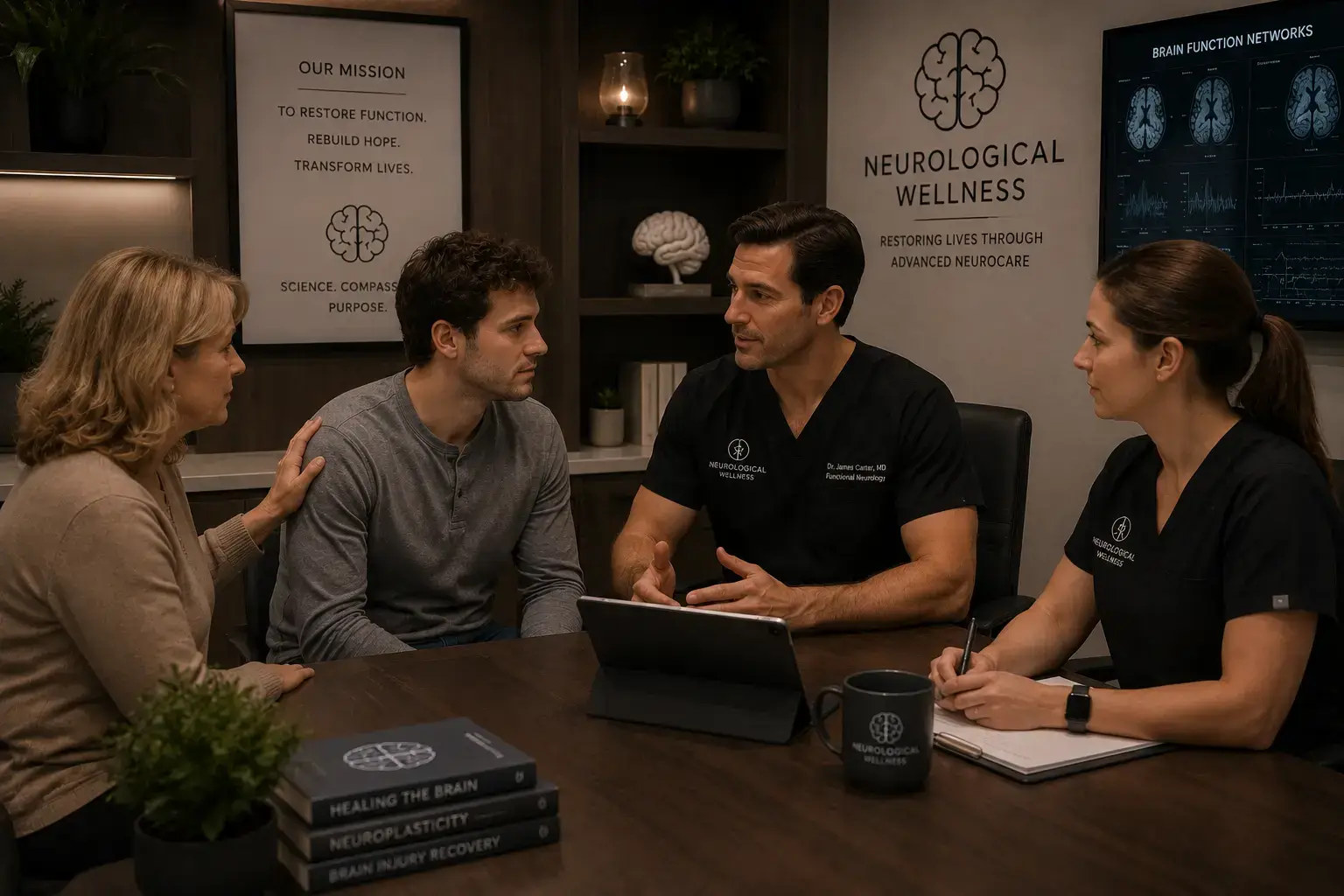
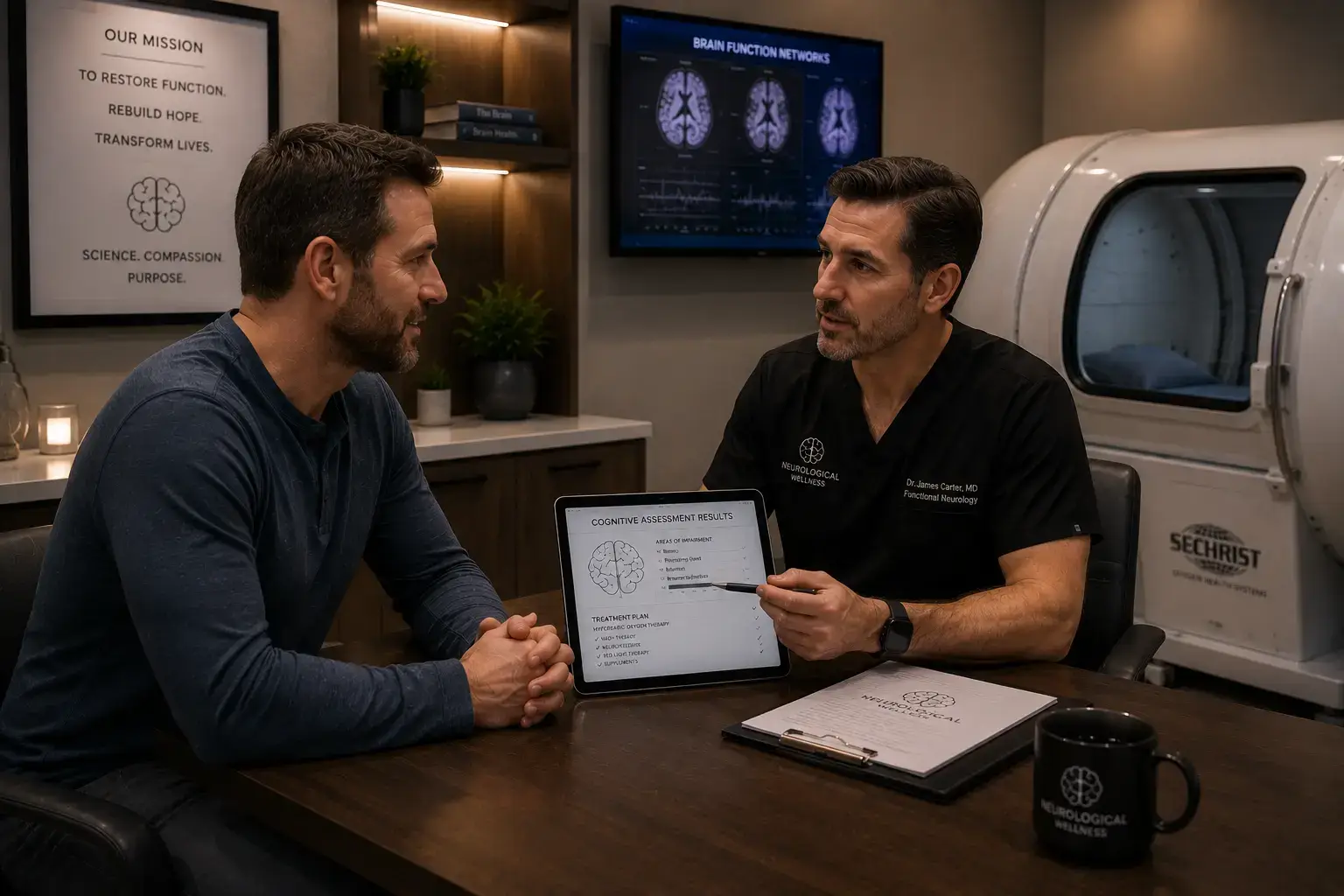
Functional medicine and integrative health practitioners are the third referral channel. These practitioners — naturopathic doctors, functional medicine MDs, and integrative psychiatrists — frequently work with patients experiencing neurological conditions and are philosophically aligned with the evidence-informed, non-pharmaceutical treatment approach the neurological wellness clinic offers. A professional introduction from the clinic's medical director, combined with a clear clinical overview of the protocols and outcomes the clinic tracks, builds referring practitioner relationships that produce consistent monthly referral volume from providers who understand exactly what the clinic offers and which of their patients will benefit most.
The fourth referral channel is the most scalable over time — the community education event. A free monthly educational session on HBOT for TBI recovery, or NAD+ therapy for neurological health, hosted at the clinic or at a community venue and open to patients, families, and referring practitioners simultaneously, builds local authority and referral relationships in the same event. The neurological wellness clinic owner who commits to a monthly community education rhythm for the first twelve months of operation builds a local reputation that no advertising budget can replicate at the same cost.
Frequently Asked Questions
What conditions does a neurological wellness clinic serve?
The primary conditions served by most neurological wellness clinics include traumatic brain injury, post-traumatic stress disorder, autism spectrum disorder, stroke recovery and post-stroke rehabilitation, multiple sclerosis, peripheral neuropathy, and chronic neuroinflammation. The specific conditions a clinic focuses on depends on the market's patient population and the medical director's areas of clinical expertise.
Does hyperbaric oxygen therapy require a physician to operate?
HBOT administration requirements vary by state. In most jurisdictions, hyperbaric oxygen therapy can be administered by trained clinical staff under appropriate medical director supervision — the medical director does not need to be physically present for every session. The specific requirements for the clinic's state are one of the first things ACG establishes in the compliance navigation process for neurological wellness clinics.
How is a neurological wellness clinic marketed given the sensitivity of the conditions served?
The most effective marketing for neurological wellness clinics is condition-specific and mission-driven. Local SEO targeting the specific condition searches — TBI treatment clinic, PTSD treatment near me, HBOT for autism — captures patients and families who are actively searching for options. Community presence through veterans organizations, brain injury support groups, and neurological condition advocacy networks builds referral relationships that produce the highest-converting patient source in this category. The personal story of why the clinic owner is committed to serving this patient population is the most powerful content asset available.
Written by Nova, Senior Content Strategist at Altos Consulting Group.