The IV Therapy and Infusion Clinic Business Opportunity: The Lowest-Barrier Entry Point in Cash-Pay Health — and Why It Works as a Standalone Business and a Powerful Complement
A 2026 Market Analysis and Business Guide for Entrepreneurs Evaluating the IV Therapy Clinic Space
The Entry Point That Works as Both a Business and a Platform
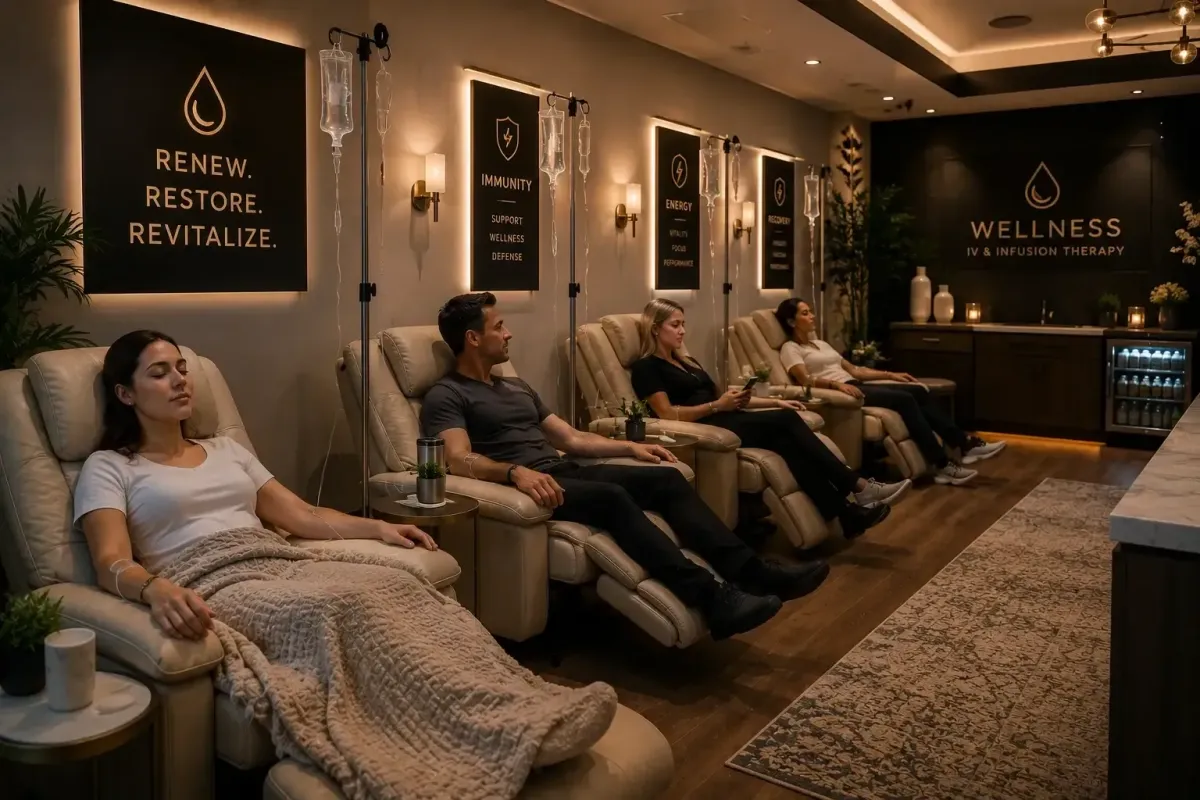
The IV therapy clinic has a lower barrier to entry than any other clinical format in the cash-pay health space. The core service — intravenous vitamin and nutrient infusions — does not require the DEA registration needed for a TRT clinic, the compounding pharmacy infrastructure complexity of a peptide clinic, or the HBOT chamber investment of a neurological wellness practice. A focused IV therapy clinic can open in a smaller footprint, with a simpler clinical team, and at a lower startup cost than almost any other regenerative health clinic model.
This accessibility makes the IV therapy clinic the right entry point for some entrepreneurs and the right complement to an existing clinic for others. A dedicated IV therapy clinic positioned as a premium wellness experience captures the broad consumer health demographic that is not yet ready for the more specialized longevity or hormone optimization conversation — but is absolutely willing to pay for NAD+ infusions, vitamin drips, and immune support protocols in a comfortable, premium clinical environment.
Added to an existing clinic — whether longevity, hormone optimization, or metabolic health — IV therapy creates an additional recurring revenue stream from the existing patient base, a lower-commitment entry point for prospective patients evaluating the clinic, and a clinical rationale for more frequent patient visits than subscription-based protocol management alone provides.
Altos Consulting Group has helped launch IV therapy and infusion clinics across the United States. To see the clinics ACG has supported in this category, visit altosconsultinggroup.com/clinics-supported/iv-therapy-infusion (altosconsultinggroup.com/clinics-supported/iv-therapy-infusion).
The Market: Consumer Demand That Has Moved Into the Mainstream
The NAD+ IV clinic market reached $512 million in 2025 and is projected to reach $1.05 billion by 2032. IV therapy as a broader wellness category has moved from the biohacking fringe to mainstream consumer health — driven by celebrity endorsements, social media exposure, corporate wellness programs, and a growing body of consumer awareness about the limitations of oral supplement absorption relative to intravenous delivery.
The IV therapy patient is typically younger than the core longevity clinic demographic — often between 25 and 50, health-conscious, performance-oriented, and familiar with the concept from social media or peer recommendations. They are also the entry point for the longevity clinic conversation: the 35-year-old who comes in for a NAD+ drip and leaves having had a clinical conversation about their biomarkers is a natural candidate for a hormone panel and a longevity protocol conversation six months later.
EBOO — Extracorporeal Blood Oxygenation and Ozonation — is the premium IV therapy service that has seen the sharpest growth in consumer interest among health-forward demographics in 2025 and 2026. EBOO combines blood ozonation with photobiomodulation and oxygenation to produce systemic effects on inflammatory burden, immune function, and energy production that traditional IV drips cannot match. For an IV therapy clinic positioning at the premium end of the market, EBOO is the service that justifies the highest price points and attracts the most health-sophisticated patient demographic.
The Service Stack
NAD+ IV Therapy — The Anchor Service
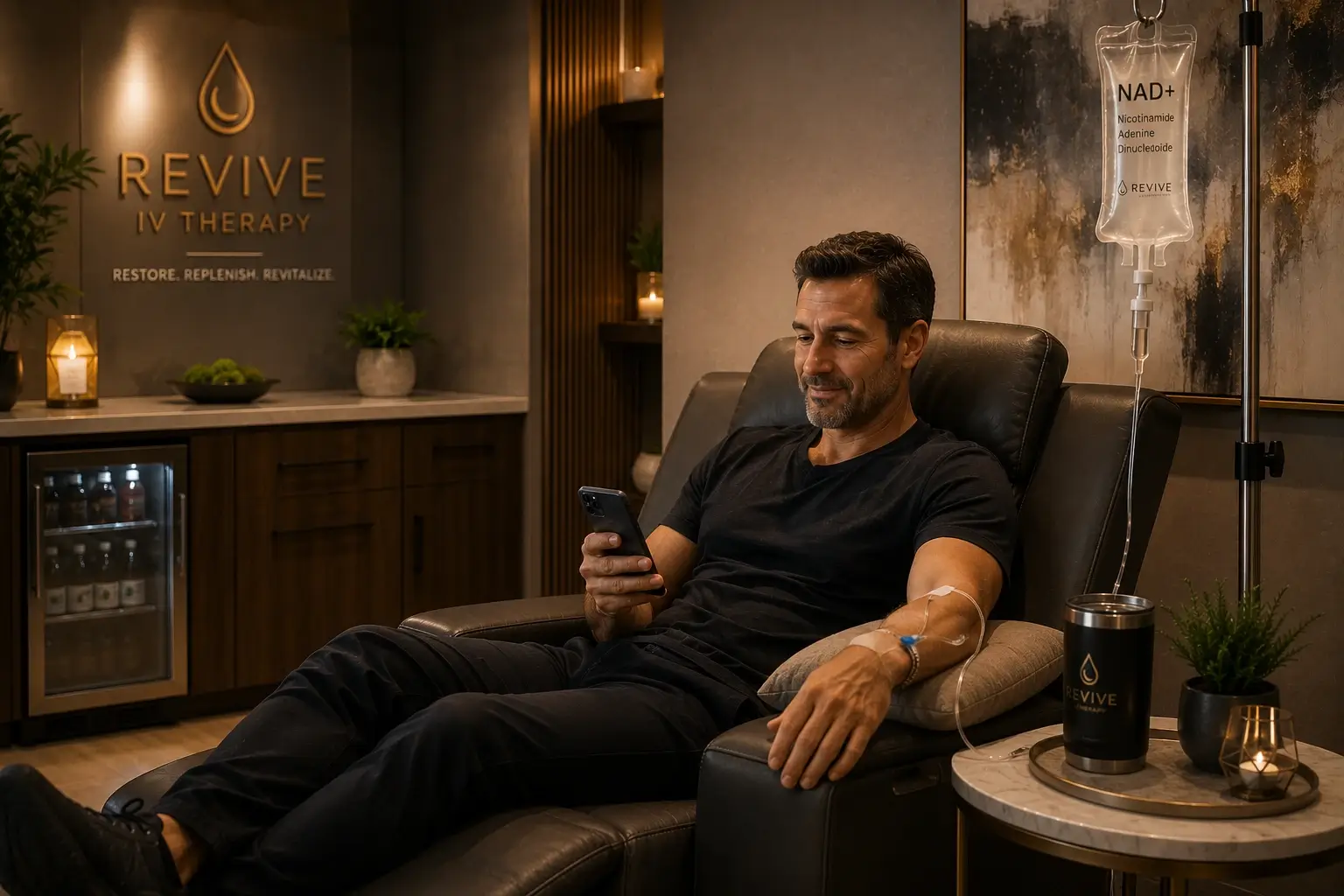
Intravenous NAD+ is the highest-demand, highest-awareness IV therapy service in the current market. NAD+ loading series — four to ten infusions over two to three weeks — generate front-loaded revenue per patient between $1,200 and $3,000 at prevailing market rates. Monthly maintenance sessions generate $300 to $600 per session on an ongoing basis. NAD+ positions the IV therapy clinic within the longevity and cognitive performance conversation that the most valuable patient demographics are actively having.
Myers Cocktail and Nutrient Drips
The broad-appeal wellness drip category — immune support, energy, hydration, and vitamin repletion formulations. Lower price point than NAD+ or EBOO, accessible to a wider patient demographic, and easy to structure as a repeat session membership. The Myers Cocktail remains one of the highest-volume IV therapy services despite years of market saturation because the patient experience — faster than supplements, immediately perceptible effects, and a premium clinical environment — continues to attract a consistent and renewably large consumer population.
EBOO — Extracorporeal Blood Oxygenation and Ozonation
The premium service for the most health-sophisticated patient demographic. EBOO passes blood through an extracorporeal circuit for ozonation and photobiomodulation before returning it to the patient — producing systemic effects on inflammatory burden, pathogen load, and cellular energy production that conventional IV therapy cannot replicate. Sessions command significantly higher pricing than standard IV drips — typically $500 to $1,200 per session — and attract patients willing to invest in evidence-informed biological optimization at the premium end of the market.
Vitamin and Peptide IM Injections
Intramuscular injections — vitamin B12, vitamin D, lipotropic injections, and peptide protocols appropriate for IM administration — add lower-cost, faster-administration options for patients who want the clinical benefit without the full IV therapy session time commitment. IM injections can be completed in minutes, generate meaningful per-visit revenue, and are appropriate as a standalone service for patients on a tighter schedule or budget.
High-Dose Vitamin C and Immune Infusions
High-dose intravenous vitamin C and immune support infusions — glutathione, zinc, B-complex, and chelation-adjacent formulations — serve patients seeking immune system support, detoxification-adjacent benefits, and inflammatory burden reduction. This patient demographic includes cancer recovery patients, autoimmune condition patients, and performance-oriented adults seeking systemic immune optimization.
Compliance Requirements
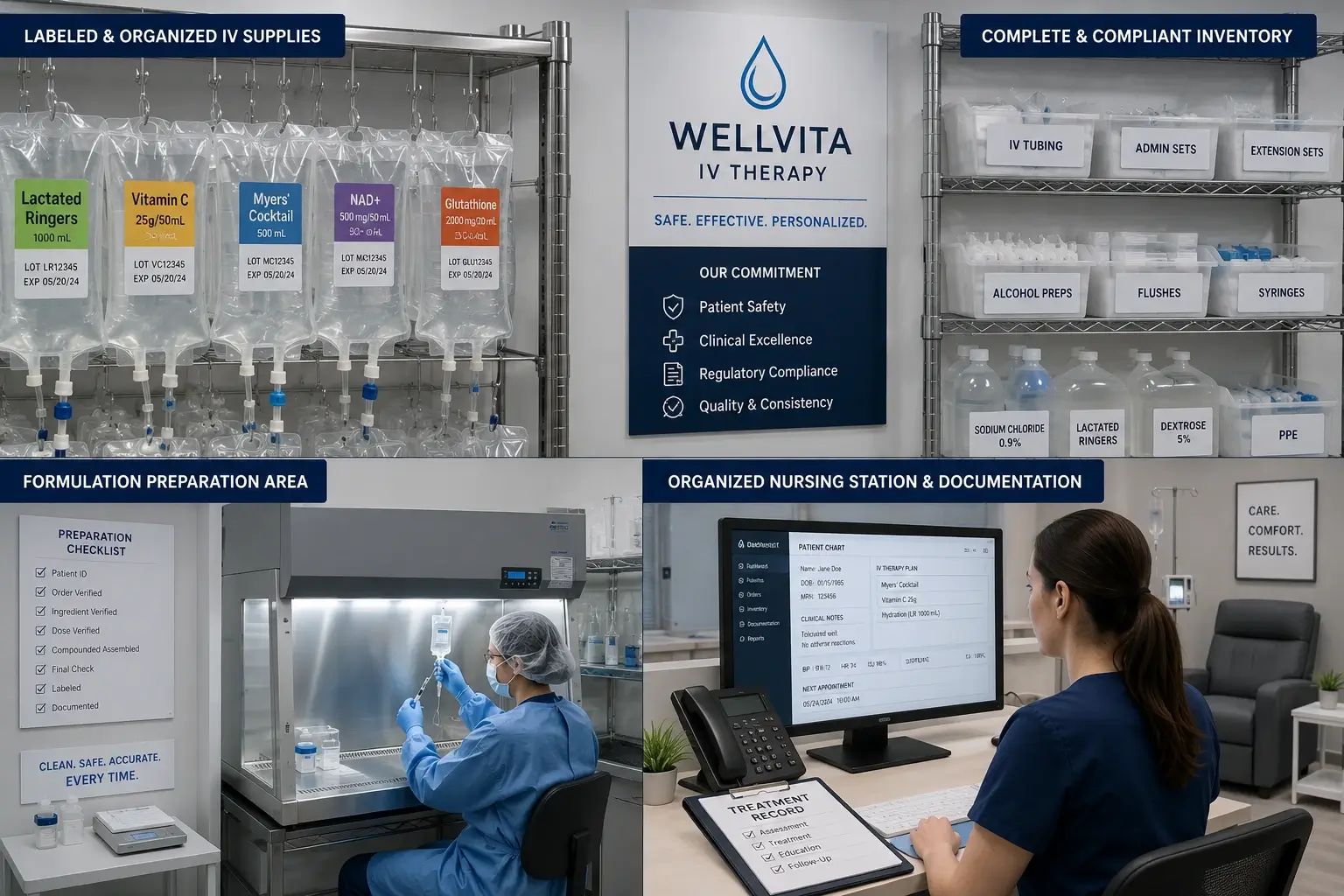
IV therapy clinics have more straightforward compliance profiles than hormone or controlled substance clinics — but they are not unregulated. Medical director oversight is required for prescription-level formulations including NAD+, EBOO, high-dose vitamin C, and peptide protocols. Licensed nursing staff — RNs or IVs-certified LPNs depending on state — are required for administration. Facility requirements for IV therapy vary by state. EBOO has specific equipment and clinical certification requirements in some jurisdictions.
The most common compliance failure in IV therapy clinics is inadequate medical director engagement — treating the medical director as a signature on a protocol sheet rather than an active clinical overseer of the formulations being administered. ACG structures medical director relationships for IV therapy clinics to meet the actual oversight requirements of the specific state and service mix.
What ACG Provides
ACG's launch engagement for an IV therapy and infusion clinic covers market validation, entity structure, medical director introduction with IV therapy protocol experience, supplier access for IV formulations at preferred pricing, EBOO equipment sourcing guidance, clinical protocol setup including formulary and administration standards, brand and website development, and 60 days of post-launch advisory support.
Here are 580+ words and one additional image placement. Paste before the FAQ block.
The Corporate Wellness and Group Event Market: The Revenue Stream Most IV Clinics Never Tap
The individual patient membership model is the financial foundation of a well-structured IV therapy clinic — but it is not the only revenue stream available, and for clinics in their first six to twelve months of operation, the corporate wellness and group event market represents one of the fastest paths to meaningful revenue that does not require building a large enrolled patient base first.
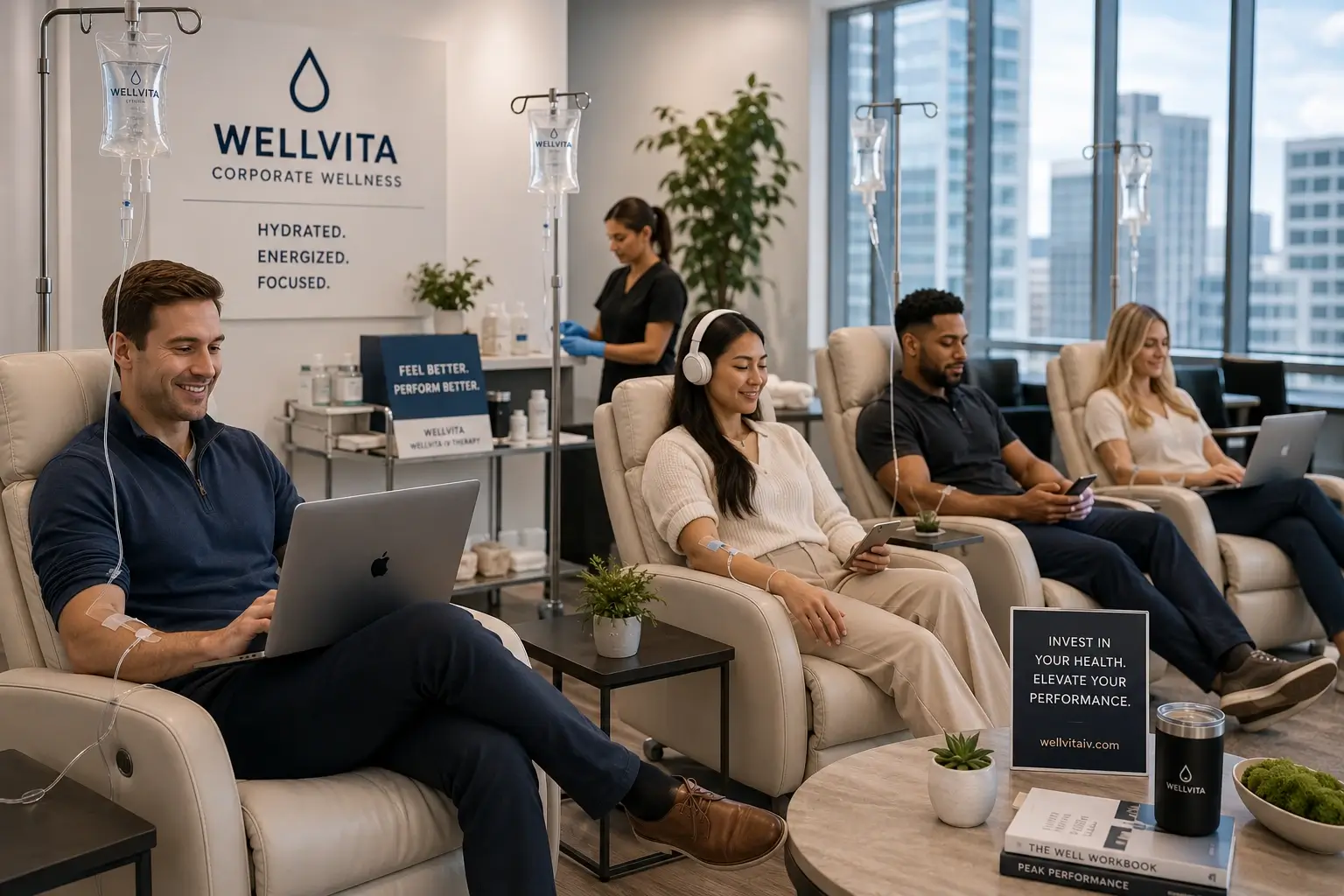
Corporate wellness has undergone a significant shift in the post-pandemic period. Employers who previously limited wellness benefits to gym reimbursements and EAP programs are now actively seeking clinical wellness services that produce measurable outcomes for their employees — reduced sick days, improved cognitive performance, better energy management, and the kind of physical recovery support that keeps high-performing employees functioning at the level the employer is paying for. NAD+ IV therapy, immune support infusions, and energy and recovery drips position naturally within this corporate wellness conversation because the outcomes they produce are directly relevant to the productivity metrics employers care about.
The mechanics of the corporate wellness revenue model for an IV therapy clinic are straightforward. The clinic offers on-site IV therapy events at corporate locations — bringing the clinical team, supplies, and IV infrastructure to the employer's office for a scheduled wellness day — or offers corporate membership packages that give employees access to the clinic at a negotiated group rate. Either model produces revenue from a single corporate relationship that would require ten to fifteen individual patient enrollments to replicate. A technology company with 50 employees who participates in a quarterly on-site NAD+ wellness day generates meaningful revenue from a single event and a single relationship.
The group event market extends beyond corporate wellness into the athletic performance and recovery category. Endurance sports events — marathons, triathlons, cycling events — have established recovery tent infrastructure that IV therapy clinics can participate in through event sponsorship and on-site service agreements. A clinic that provides post-race IV therapy recovery services at a local marathon establishes brand visibility in front of exactly the active adult demographic that represents its highest-value long-term patient population, generates event revenue, and creates the trial experience that converts first-time event patients into enrolled clinic members.
Why the IV Therapy Clinic Is the Perfect Gateway Into the Full Longevity Service Stack
The IV therapy clinic that positions itself as a standalone wellness destination is building a good business. The IV therapy clinic that positions itself as the entry point to a comprehensive longevity medicine relationship is building a significantly better one — and the transition between those two models does not require opening a second clinic, hiring a dramatically different clinical team, or rebuilding the brand from scratch.
The patient who enters the clinic for a NAD+ loading series has already demonstrated three things that make them the ideal candidate for the deeper longevity conversation. They have demonstrated willingness to invest in a clinical wellness service at a meaningful price point. They have demonstrated comfort with the clinic environment, the clinical team, and the treatment experience. And they have demonstrated health motivation that extends beyond the reactive healthcare seeking that drives most conventional medical visits — they are proactively investing in their biological function, which is the defining characteristic of the longevity medicine patient.
The clinical conversation that moves this patient from an IV therapy member to a comprehensive longevity program enrollment does not require a separate sales process. It emerges naturally from the monitoring conversation that happens at the patient's loading series completion appointment. The clinician who reviews the patient's subjective response to the NAD+ series — improved energy, cognitive clarity, sleep quality, recovery speed — and then asks a single well-placed question about how the patient's hormone levels, inflammatory markers, or biological age metrics compare to their subjective experience of their health is opening the longevity assessment conversation without any sales language required.
The infrastructure required to have this conversation and to enroll the interested patient in a comprehensive longevity program — hormone panel ordering through the clinic's existing lab partner, Sermorelin protocol through the clinic's existing compounding pharmacy relationship, biomarker monitoring through the clinic's existing EMR — is already in place for a well-structured IV therapy clinic. The clinical team is already trained. The medical director relationship already covers the prescribing authority required. The patient relationship already exists. The only addition required is the clinical conversation and the protocol setup — which is what ACG's expansion support for existing IV therapy clinics is specifically designed to facilitate.
The IV therapy clinic that executes this patient progression pathway consistently — from first NAD+ infusion through comprehensive longevity program enrollment — builds a revenue per patient that compounds over time without proportional increases in patient acquisition cost. The patient who enters at $400 per month for NAD+ maintenance and progresses to a comprehensive longevity program at $900 per month has more than doubled their monthly revenue contribution through a clinical relationship deepening rather than a new patient acquisition. Across a patient base of 40 enrolled members with even a 30 percent progression rate to comprehensive programs, the revenue impact is between $6,000 and $10,000 per month in additional recurring revenue from the existing patient base. These are illustrative planning benchmarks — actual results depend on market conditions, patient volume, pricing structure, and execution.
Frequently Asked Questions
What is the most profitable IV therapy service?
NAD+ IV therapy consistently generates the highest revenue per session and the strongest membership retention at IV therapy clinics — loading series of $1,200 to $3,000 followed by monthly maintenance at $300 to $600 produces strong annual recurring revenue per patient. EBOO commands the highest single-session pricing in the category — typically $500 to $1,200 per session — but requires more specialized equipment and clinical infrastructure.
Can an IV therapy clinic be operated without a medical director?
No. IV therapy — including NAD+ infusions, EBOO, and high-dose vitamin formulations — requires medical director oversight for clinical safety, prescribing authority for prescription-level formulations, and compliance with state requirements for IV therapy administration. ACG facilitates medical director introductions for IV therapy clinics as a standard component of the launch engagement.
Is the IV therapy market saturated?
The basic wellness drip market is competitive in major metros. The premium IV therapy market — NAD+, EBOO, and high-dose therapeutic formulations in a premium clinical environment — remains significantly less saturated than the general wellness drip category and commands meaningfully higher pricing from a more sophisticated patient demographic.
Written by Nova, Senior Content Strategist at Altos Consulting Group.